

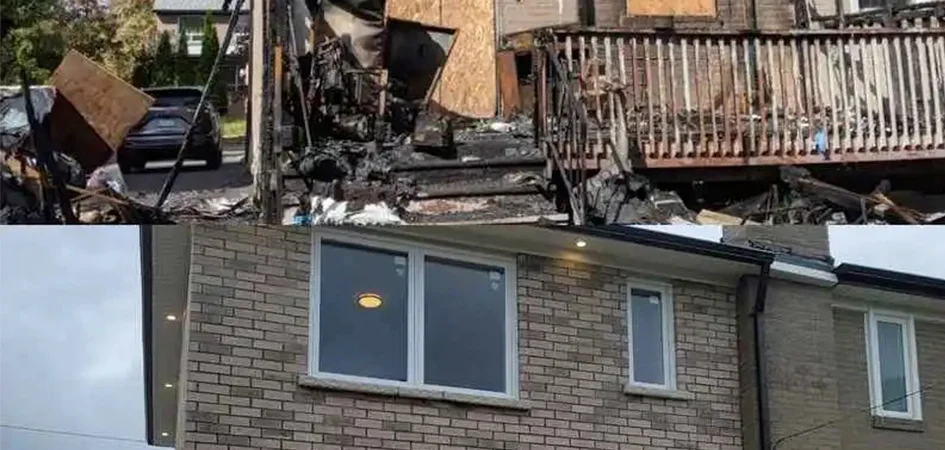
Imagine waking up in the middle of a cold Toronto winter night to the sound of rushing water, only to find a burst pipe flooding your finished basement. Or picture dealing with the aftermath of a kitchen fire that left thick soot and smoke damage across your main floor. Perhaps you recently moved some boxes in your older GTA home and discovered extensive mould growing behind the drywall.
When sudden property damage strikes, most homeowners and property managers feel overwhelmed. The immediate panic often shifts to confusion about what steps to take next. A common misconception in these stressful moments is thinking that standard cleaning methods are enough to fix the problem. Many property owners wonder whether they can just clean up the water, scrub the walls, and move on.
This guide will explain exactly what a property restoration company does and why specialized intervention is necessary. We will cover the types of damage these professionals handle, outline the emergency response process, and explain how proper restoration protects both your health and your real estate investment. You will also learn when it is safe to handle minor issues yourself and when you need to call the professionals. As a leading provider in the Greater Toronto Area, Property Worx is here to simplify the process and help you navigate property emergencies with confidence.
Key Takeaways
- Rapid action is critical: Property damage worsens over time. Fast intervention prevents secondary issues like structural rot and mould growth.
- Restoration goes beyond cleaning: Professionals handle mitigation, structural drying, sanitization, and full reconstruction services.
- Specialized equipment is required: Proper recovery relies on industrial technologies such as thermal imaging, commercial dehumidifiers, and HEPA filtration.
- Safety is the priority: Professional restoration contractors are trained to safely manage hazardous materials, electrical risks, and contaminated water.
What Is a Property Restoration Company?
A property restoration company is a specialized contractor business that cleans, repairs, and restores residential and commercial properties after a destructive event.
Unlike standard cleaners, who focus on surface-level dirt, or general contractors, who primarily build from scratch, a restoration company manages the entire recovery process. They handle initial disaster cleanup, intensive drying, structural sanitization, repairs, and the final rebuilding phases required to return a property to its pre-loss condition.
While a regular cleaning service might mop up a puddle, a restoration specialist uses moisture mapping to find hidden water inside your walls and deploys structural drying techniques to prevent long-term damage. These professionals respond to a variety of urgent situations. The most common emergencies include water damage, fire damage, mould growth, sewage backups, and severe storm damage.
Types of Damage Property Restoration Companies Handle
When searching for emergency restoration services near me, it is helpful to understand the specific categories of property damage these experts manage.
Water Damage Restoration
Water intrusion is the most common reason homeowners seek out a water damage restoration company. Water ruins building materials quickly and creates an environment for mould if left untreated.
- Flooding: Heavy rainstorms or rapid spring thaws in Toronto can cause severe groundwater intrusion into basements.
- Burst pipes: Freezing Canadian winter temperatures often cause plumbing lines to expand, rupture, and flood interiors.
- Appliance leaks: Dishwashers, washing machines, and hot water tanks often fail, releasing hundreds of gallons of water.
- Stormwater intrusion: High winds and heavy rain can push water through vulnerable areas of your roofing or siding.
Fire and Smoke Damage Restoration
Fire events require specialized fire damage restoration services to address both the burned materials and the pervasive chemical residue left behind.
- Smoke odour removal: Smoke particles can penetrate porous materials such as drywall, carpets, and upholstery, requiring thermal fogging and air scrubbers to eliminate the smell.
- Soot cleanup: Acidic soot will permanently stain surfaces and corrode metals if not cleaned promptly using specialized chemical sponges.
- Structural repairs: Fires weaken load-bearing beams and roof trusses, making structural reinforcement and rebuilding critical.
Mould Remediation
Mould is a serious health hazard that thrives in damp, dark environments. Hiring a qualified mould remediation company is essential to stop the spread.
- Mould inspections: Technicians locate the source of the moisture feeding the mould and determine the extent of the infestation.
- Safe containment: Professionals use plastic barriers and negative air pressure to isolate the mould spores during removal.
- Air quality concerns: Strict EPA guidelines are followed to improve indoor air quality and prevent spores from circulating through your HVAC system.
Sewage Backup Cleanup
A sewer backup introduces dangerous pathogens into your living space and requires immediate attention from property damage restoration experts.
- Category 3 black water: Sewage is highly contaminated Category 3 water that contains bacteria, viruses, and toxic waste.
- Health hazards: Exposure to raw sewage poses severe health risks and requires professional extraction and containment.
- Sanitization requirements: Every affected surface must be treated with hospital-grade antimicrobial agents to ensure the space is safe for human habitation.
Storm and Wind Damage
Severe weather systems across Southern Ontario can compromise the exterior envelope of your building.
- Roof leaks: Wind-driven rain and missing shingles allow water to infiltrate the attic and ceiling spaces.
- Fallen trees: Large branches crashing into a home require heavy debris removal and structural shoring.
- Emergency board-up services: Technicians secure broken windows and exposed roofs to protect the property from theft and secondary weather damage.
What Happens During the Restoration Process? (Step-by-Step)
The restoration process explained below outlines the exact steps professionals take to rescue your property. If you want a deeper dive into the on-site experience, read our guide on What to Expect During an Emergency Property Restoration Visit.
Emergency Contact & Rapid Response
- 24/7 emergency calls: Disasters do not adhere to business hours. Reliable companies maintain a round-the-clock dispatch center.
- Fast dispatch timelines: Emergency response teams aim to be on-site within hours to halt the progression of the damage.
- Initial safety guidance: Dispatchers provide instructions over the phone on shutting off water mains or avoiding electrical hazards.
Inspection and Damage Assessment
- Moisture readings: Technicians use specialized meters to measure the moisture content in wood, drywall, and concrete.
- Thermal imaging: Infrared cameras reveal hidden water pockets behind walls without the need for immediate demolition.
- Safety evaluations: The property damage assessment includes checking for structural integrity and electrical hazards before work begins.
Emergency Mitigation
- Water extraction: Powerful truck-mounted pumps remove standing water from floors and carpets.
- Tarping: Roof leaks are temporarily sealed with heavy-duty tarps to prevent rain from entering.
- Board-up services: Broken windows and doors are secured with plywood.
- Preventing further damage: Water damage mitigation stops the initial disaster from destroying unaffected areas of the home.
Containment and Safety Setup
- Plastic barriers: Polyethylene sheeting is used to seal off contaminated zones.
- Negative air pressure: Specialized machines create a vacuum that prevents airborne contaminants from entering clean rooms.
- PPE and contamination controls: Workers wear specialized suits and respirators when handling mould or sewage.
Drying, Cleaning, and Decontamination
- Industrial dehumidifiers: These machines remove large volumes of moisture from the air and surrounding building materials.
- Air scrubbers: Devices equipped with HEPA filtration capture microscopic smoke particles and mould spores from the environment.
- Antimicrobial treatments: Disinfectants are applied to kill bacteria and prevent future microbial growth.
Repairs and Reconstruction
- Drywall replacement: Water-logged or heavily soiled walls are cut out and replaced with fresh materials.
- Flooring repairs: Damaged carpets, warped hardwood, and cracked tiles are removed and reinstalled.
- Painting and rebuilding: Reconstruction services include all finishing touches needed to make the room look brand new.
Final Inspection and Restoration Completion
- Moisture verification: A final pass with moisture meters ensures the structural drying process was successful.
- Odour removal confirmation: The team verifies that no lingering smoke or musty smells remain.
- Final walkthrough: The project manager reviews the finished work with the property owner to ensure satisfaction.
Timelines vary based on the severity of the event. Minor damage might require 2 to 5 days for mitigation and drying. Major restoration involving extensive rebuilding can take several weeks to finish.
Specialized Equipment Restoration Companies Use
Professional restoration contractors rely on commercial-grade technology to execute the job correctly. Here is the purpose of the equipment they bring into your home:
- Industrial air movers: These are not standard household fans. They force high-velocity air across wet surfaces to accelerate evaporation.
- HEPA filtration systems: High-Efficiency Particulate Air filters trap 99.97% of airborne particles, ensuring mould and soot are permanently removed from the air.
- Commercial dehumidifiers: These units extract gallons of water vapour from the air daily, lowering humidity and drawing hidden moisture out of solid wood and drywall.
- Moisture meters: Handheld devices with probes that measure the exact percentage of water retained inside various building materials.
- Thermal cameras: Infrared devices that detect temperature differences. Since wet areas are cooler than dry areas, these cameras find hidden leaks behind solid walls.
- Air scrubbers: Portable filtration systems that continuously clean the air in a room, vital for odour removal and improving indoor air quality during demolition.
Why Professional Restoration Matters More Than Most Homeowners Realize
Surface cleaning is often insufficient to address property damage. What you cannot see is usually what causes the most trouble. Professional intervention is critical because of the hidden moisture behind the walls. Water wicks up through drywall and soaks into insulation, creating an ideal breeding ground for rapid mould growth.
Furthermore, structural weakening occurs when wooden support beams remain wet or are exposed to high heat. Professionals understand how to evaluate load-bearing elements to prevent collapses. Electrical hazards are another major concern. Water interacting with household wiring is a lethal combination that requires trained experts to navigate safely. Finally, smoke contamination and cross-contamination concerns mean that trying to clean soot with a wet rag often just pushes the acidic chemicals deeper into the paint, permanently ruining the surface.
Can You Handle Property Damage Cleanup Yourself?
Deciding whether to tackle the cleanup yourself or hire emergency property restoration professionals depends entirely on the scale and type of the disaster.
Situations That May Be Safe for DIY Cleanup
- Small spills: Knocking over a bucket or a minor overflow from a sink caught immediately can usually be dried with towels and a household fan.
- Minor isolated leaks: A slow drip under the kitchen counter that has not penetrated the subfloor can be cleaned and fixed without industrial equipment.
Situations That Require Immediate Professional Help
- Sewage contamination: Never attempt to clean a toilet backup or main line sewage spill yourself. The health hazards require professional sanitization.
- Large flooding: If water has covered an entire room or saturated carpets, household vacuums and fans will not prevent rot.
- Fire damage: Toxic soot and compromised structural integrity require specialized handling.
- Mould infestations: Disturbing a large mould colony without proper containment will spread spores throughout your entire HVAC system.
- Structural damage: Sagging ceilings or bowing walls indicate that the building materials are holding heavy water weight and could collapse.
Attempting to clean major damage yourself often voids your insurance coverage if the problem worsens. It is always safer to request professional intervention.
How Restoration Companies Work With Insurance Claims
Navigating an insurance claim is often the most stressful part of a property disaster. A reputable property restoration company assists by providing detailed documentation of the damage. The response team takes extensive photos, records moisture readings, and logs every step of the mitigation process.
These professionals are accustomed to working directly with adjusters. They provide accurate scopes of work for estimating repairs in a format recognized by insurance carriers. This meticulous documentation is crucial for helping speed up claims and ensuring you receive the coverage you are entitled to.
It is important to clarify that restoration companies are not insurance companies. They do not dictate your coverage limits. Whether a specific service is covered depends entirely on your policy details, your deductibles, and the cause of the loss.
How Much Do Property Restoration Services Cost?
Because every disaster is unique, pricing for disaster restoration services varies widely. The cost is determined by several specific pricing factors:
- Severity of damage: A small bathroom leak costs significantly less to mitigate than a flooded basement containing three feet of standing water.
- Affected square footage: Larger areas require more technicians, more drying equipment, and more materials for reconstruction.
- Type of contamination: Clean water leaks are cheaper to manage than Category 3 black water or toxic mould, which require expensive PPE and strict disposal protocols.
- Structural repairs required: If demolition and rebuilding are necessary, the cost of fresh lumber, drywall, and labour will increase the total price.
- Emergency response timing: Waiting to call for help allows secondary damage to set in, drastically increasing the required scope of work and the final bill.
While it is difficult to provide exact numbers without an inspection, minor water extraction might cost a few thousand dollars, whereas severe fire damage reconstruction can extend into the tens of thousands.
How to Choose the Right Property Restoration Company
Finding the right partner during a crisis makes all the difference. For a comprehensive breakdown of vetting contractors, review our guide, “How to Choose the Right Emergency Restoration Company.” Here are the primary factors to evaluate:
Certifications to Look For
- IICRC certification: The Institute of Inspection, Cleaning and Restoration Certification sets the global standards for the industry. Ensure the company employs IICRC-certified technicians.
- Licensed and insured teams: Only hire contractors carrying proper liability insurance and workers’ compensation to protect yourself from liability.
Emergency Response Availability
- 24/7 services: Disasters require immediate action. The company must answer their phones at all hours.
- Fast arrival times: Ask for a realistic estimate of when their crew can arrive at your property.
Experience and Equipment
- Modern restoration technology: Ensure they utilize commercial dehumidifiers, thermal imaging, and HEPA air scrubbers.
- Full-service capabilities: Look for a company that handles both the initial cleanup and the final reconstruction, so you don’t have to hire multiple contractors.
Questions to Ask Before Hiring
- What is your guaranteed response time?
- Do you provide insurance assistance and communicate directly with my adjuster?
- Do you offer cleanup guarantees or warranties on your work?
- Are reconstruction services included in your offerings?
Why Property Worx Is the Trusted Choice for Property Restoration
When your home or business suffers sudden damage, you need a partner who acts quickly and handles the entire process from start to finish. Property Worx provides fast emergency response across Toronto and the Greater Toronto Area to stop damage in its tracks. Our teams are composed of certified restoration technicians who use advanced drying and cleaning equipment to safely and efficiently restore your property.
We pride ourselves on offering full-service restoration solutions. This means you do not have to juggle a mitigation team, a mould specialist, and a separate general contractor. We handle the initial water extraction, the structural drying, and all the necessary rebuilding under one roof. Navigating the paperwork is stressful, which is why we provide thorough insurance claim assistance to help you secure the coverage you deserve.
With deep residential and commercial expertise, our focus remains firmly on safety and long-term protection for your investment. We know local building structures and understand the specific climate challenges property owners face in Ontario. When you need trusted water damage restoration specialists, you can rely on our proven track record. As dedicated emergency property restoration experts, Property Worx is committed to returning your life to normal as swiftly as possible.
Protecting Your Real Estate Investment With Expert Intervention
Understanding what a property restoration company does gives you a significant advantage when disaster strikes. From deploying structural drying equipment after a basement flood to applying antimicrobial treatments after a sewer backup, these experts do far more than simple surface cleaning. They protect the structural integrity of your building, safeguard your indoor air quality, and streamline the complex insurance claims process. Whether you are dealing with water, fire, or mould, relying on certified professionals ensures your property is restored properly the first time, protecting your health and your financial investment for the future.
Request a Free Damage Assessment Today
Do not wait for property damage to spread. Contact Property Worx immediately for professional guidance and rapid intervention.
Get Emergency Property Restoration Help Now
