

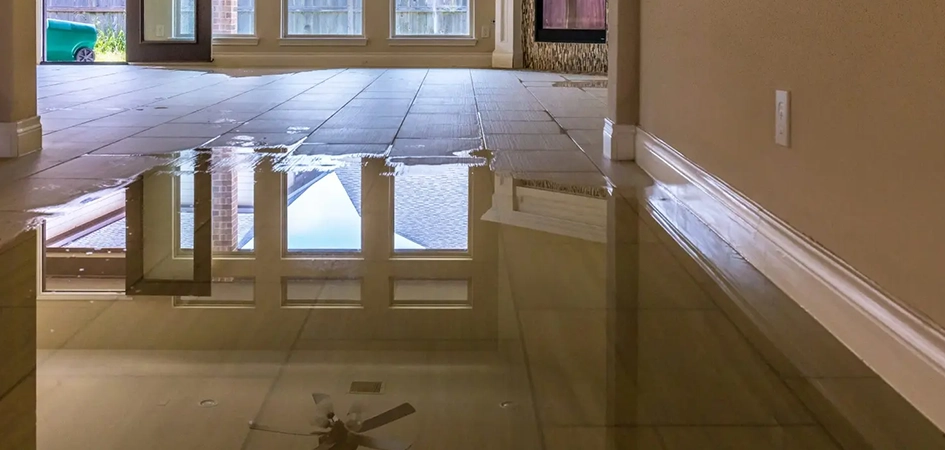
Many of us have been there. You walk into your kitchen, ready for your morning coffee, and step right into a puddle beside the dishwasher. Or maybe you pull out a storage box from the utility room, only to find the drywall behind the washing machine feels like a damp sponge. Appliance leaks rarely happen at a convenient time. While some are dramatic and sudden, many others start as slow, hidden drips that go unnoticed for weeks.
Because these everyday lifesavers are usually tucked away against walls, under cabinets, or squeezed into utility closets, water can easily seep into your flooring or subfloor long before a problem is obvious. This guide is your roadmap to understanding which household appliances to monitor, the early warning signs to watch for, the immediate actions to take, and practical ways to prevent structural damage. Let us explore how you can protect your Toronto property from unexpected plumbing surprises.
Key Takeaways
Before diving into the details, here are a few critical points to keep in mind about household water leaks:
- Washing machines, dishwashers, refrigerators, water heaters, and HVAC systems can all cause significant water damage when hoses, seals, valves, tanks, or drain systems fail.
- Puddles are not the only warning sign. Warped flooring, unexplained staining, musty odours, damp cabinets, unusual appliance noises, or recurring moisture often point to a hidden leak.
- Shutting off the water source quickly and drying affected materials right away can help limit secondary damage.
- Knowing when to call in the professionals is crucial to preventing long-term structural decay and mould growth.
Which Appliances Commonly Cause Water Damage?
Here is a quick look at the usual suspects and how they misbehave.
| Appliance | Common Leak Source | Typical Warning Sign | Areas Commonly Affected | Potential Severity | Recommended First Step |
| Washing machine | Worn supply hose or door seal | Puddle behind the unit | Flooring, drywall, subfloor | High | Turn off water supply |
| Dishwasher | Faulty inlet valve or door gasket | Water around the base | Cabinetry, kitchen floor | Medium to High | Stop the wash cycle |
| Refrigerator / ice maker | Cracked water supply line | Moisture under the fridge | Flooring, wall behind unit | Medium | Shut off water valve |
| Water heater | Tank corrosion or bad valve | Rust at tank base | Utility room floor, basement | High | Turn off main water |
| HVAC / air conditioner | Clogged condensate drain | Water stains on ceiling | Ceilings, drywall, attic | Medium | Turn off the system |
| Garbage disposal | Loose drain connection | Dampness under the sink | Under-sink cabinet | Low to Medium | Stop using the sink |
Washing Machine Leaks
Washing machines are hardworking appliances, but they can be a major source of trouble. Because they rely on pressurized water lines and pump significant volumes of water during a cycle, a washing machine leak can range from a slow drip to a sudden indoor flood. Common causes include cracked or deteriorated supply hoses, loose hose connections, damaged door seals or gaskets, and stubborn drain hose problems. Sometimes, clogged drains or internal component failures lead directly to overflow issues. Monitoring your washing machine supply hoses, seals, and drainage systems is one of the easiest ways to prevent washing machine water damage.
Warning Signs of a Washing Machine Leak
Keep an eye out for these red flags:
- Water pooling behind or underneath the machine.
- Damp flooring in your laundry area.
- Bulging or cracked rubber hoses.
- Rust around plumbing connections.
- Musty smells hovering in the room.
- Water stains on nearby walls.
- Flooring that starts lifting or warping.
Dishwasher Leaks
Have you ever noticed how a dishwasher is basically built right into your cabinetry? That snug fit makes a dishwasher leak especially difficult to notice early on. Common causes of trouble include a worn door gasket, a faulty inlet valve, a loose supply line, or a damaged drain hose. A clogged drainage system or a door that is just not sealing correctly can also lead to issues. These slow leaks quietly affect cabinetry, flooring, and subflooring long before obvious pooling makes an appearance.
Warning Signs of a Dishwasher Leak
Catch dishwasher water damage early by watching for:
- Water seeping around the appliance base.
- Warped cabinet materials under the counter.
- Discoloured or swollen flooring.
- Soft spots near the dishwasher.
- Musty odours greeting you when you open the door.
- Dampness inside neighbouring cabinets.
Refrigerator and Ice Maker Leaks
Modern refrigerators do much more than keep groceries cold. Models equipped with water dispensers and ice makers connect directly to a water supply line, creating potential leak points behind a heavy appliance that most homeowners rarely move. A refrigerator water leak often stems from cracked water supply lines, loose connections, damaged valves, blocked defrost drains, or ice maker connection problems. Sometimes, frozen or damaged water lines are the culprit. These quiet failures allow moisture to collect underneath or behind the unit, threatening the flooring, walls, nearby cabinetry, or the subfloor.
Water Heater Leaks
A leaking water heater deserves your immediate attention. Because these units hold and heat a massive volume of water, a failure of a tank, valve, connection, or supply line can cause a substantial flood in your home. Common issues include tank corrosion, loose connections, drain valve leaks, pressure relief valve problems, and sediment-related deterioration. A cracked or failing tank can quickly escalate into serious water heater water damage.
Warning Signs Your Water Heater May Be Leaking
Look for these clues:
- Water collecting around the tank base.
- Visible rust or corrosion on the metal.
- Moisture accumulating around the valves.
- Crusty mineral deposits.
- Unusual popping or hissing sounds.
- Discoloured water coming from your hot taps.
- Recurring dampness near the unit
HVAC and Air Conditioner Water Leaks
It is easy to forget that your cooling system handles water, but HVAC systems naturally create condensation. When things go wrong, an AC condensation leak or general HVAC water leak can cause surprising damage. Issues typically arise from clogged condensate drain lines, overflowing drain pans, damaged condensate pumps, improper drainage, or frozen coils that later thaw and overwhelm the system. If you have a built-in humidifier, leaking humidifier connections can also add to the mess. These leaks often announce themselves through ceiling stains, attic moisture, bubbling paint on walls, or unexpected puddles around the equipment. Blocked HVAC drainage gives moisture a free pass to travel into your walls, ceilings, and other concealed areas.
Garbage Disposal and Under-Sink Appliance Leaks
Under-sink setups are notorious for hiding plumbing issues. Garbage disposal connections can create slow, sneaky kitchen leaks due to worn seals, loose drain connections, a cracked disposal housing, sink flange leaks, or drainpipe connection problems. Because this happens behind closed cabinet doors, a garbage disposal leak can go unnoticed until you spot swelling wood, unexplained staining, bad odours, visible mould, or structural deterioration.
Signs an Appliance Leak Is Already Causing Water Damage
How do you know if water is already taking a toll on your property? Keep an eye out for unexplained puddles, damp flooring, expanding water stains, swollen cabinets, or warped hardwood and laminate. You might also find soft drywall, peeling or bubbling paint, strong musty smells, visible mould, discoloured grout or baseboards, unexpectedly high indoor humidity, or recurring moisture even after you have cleaned the area.
Visible water is often just the tip of the iceberg, as moisture easily travels beneath flooring and climbs up inside walls. Property Worx relies on advanced moisture detection and thermal imaging to identify hidden water in walls, ceilings, and flooring. For more insights, you can read about recognizing these issues in our guide on the Signs of Hidden Water Damage in Older Homes & What to Do.
What Should You Do When an Appliance Starts Leaking?
If an appliance starts leaking, staying calm and taking the right steps in the proper order will save you a lot of grief.
Stop the Water Source If It Is Safe
If you can safely access it, close the appliance’s dedicated supply valve or turn off the main water supply to the house. Please do not step into standing water if it is near electrical equipment. Safety always comes first.
Turn Off the Appliance
Stop using the leaking appliance immediately. If electricity and standing water are mixing, remember that electrical safety takes priority, and a qualified professional may be required to secure the area.
Document the Damage
Before starting your water damage cleanup, pull out your smartphone. Photograph the appliance, visible water, damaged flooring, walls, cabinets, and any other affected materials. Proper insurance documentation makes the claims process significantly smoother.
Remove Standing Water and Start Professional Drying When Needed
Grabbing a few towels might be adequate for a very small surface spill. However, if water has reached flooring, drywall, cabinets, insulation, or other porous materials, you will likely need professional water extraction, moisture detection, and structural drying to prevent lasting harm.
Why a Small Appliance Leak Can Become a Bigger Problem
A dripping appliance supply line leak might not seem urgent, but slow leaks are masters of disguise. They create hidden moisture environments behind cabinetry, under flooring, and inside wall cavities. Left unchecked, this leads to mould growth, swollen cabinetry, subfloor deterioration, drywall damage, warped flooring, structural damage, and stubborn odours. The longer water sits, the larger your repair scope becomes.
Moreover, water changes state over time. Even if the leak starts out relatively clean, it can become contaminated as it stagnates or comes into contact with building materials. For example, Property Worx classifies clean appliance failures among potential Category 1 sources. However, a washing machine discharge or a dishwasher overflow can quickly fall into Category 2 conditions, depending on the circumstances. You can learn more about these classifications in our breakdown of Category 1, 2, and 3 Water Damage: Cleanup, Cost & Safety Guide.
When Does an Appliance Leak Need Professional Water Damage Restoration?
Are you wondering if you need to call in the experts? Professional assessment should be considered when water has spread beneath flooring, when drywall or cabinetry feels wet, or if the source has been leaking for an unknown amount of time. You should also seek help if water is coming through a ceiling, the area carries a distinct musty odour, mould is visible or suspected, a large volume of water was released, multiple rooms are affected, or water has soaked into insulation or structural materials. If moisture remains after your initial surface cleanup, it is time to act.
Our team utilizes advanced tools like moisture meters, thermal imaging, heavy-duty water extraction, and commercial dehumidifiers to ensure thorough structural drying, sanitization, and detailed restoration reporting. Reaching out to a professional water damage restoration service ensures the job is done correctly. Property Worx’s documented process includes precise moisture detection, thermal imaging, prompt extraction, safe containment, sanitization, dehumidification, targeted repairs, and comprehensive restoration reporting.
How to Prevent Appliance Leaks and Water Damage
Prevention is your best defence against unexpected appliance flood damage. Make it a habit to regularly inspect visible hoses and connections, looking closely for cracking, rust, bulging, corrosion, and dampness. Replace damaged supply lines promptly. Keep your dishwasher and washing machine drains clear of debris, and routinely check the refrigerator water lines and connections. It is also wise to inspect areas around water heaters and maintain your HVAC condensate drainage systems. Occasionally, peek underneath your sinks and appliances, and never ignore small, recurring puddles. Know exactly where your individual appliance and main water shut-off valves are located. To add a layer of security, install an appliance leak detector or water-leak sensors in high-risk areas, and consider automatic water shut-off devices. Address unusual appliance noises or drainage problems early, and consult the appliance manufacturer’s instructions for specific maintenance recommendations.
Can Leak Detectors Help Prevent Appliance Water Damage?
Absolutely. Inexpensive moisture sensors can send an alert the moment water appears near washing machines, dishwashers, refrigerators, water heaters, or other vulnerable zones. Smart leak detectors and automatic water shut-off valves go a step further by detecting abnormal water flow and proactively shutting off the water supply. While monitoring technology strongly supports your prevention strategy, it does not replace the need for regular maintenance or physical inspections. Property Worx recommends utilizing smart leak-detection and automatic shut-off technology as a practical part of proactive water-damage prevention.
How Property Worx Restores Appliance-Related Water Damage
When emergency water damage strikes, Property Worx can assess the full extent of appliance-related water damage and identify hidden moisture that may have travelled beneath floors, behind cabinets, or deep into walls. Our comprehensive approach covers damage assessment, precise moisture detection, thermal imaging, safe water extraction, and proper containment. We then perform thorough structural drying and dehumidification, along with detailed cleaning and sanitization. We conduct a thorough mould-risk assessment, handling damaged material removal where needed, and managing all flooring and drywall restoration. If leaks have remained wet long enough to create indoor air quality concerns, we also provide professional mould removal and remediation. From the first drop to the final repair, Property Worx provides 24/7 emergency water response, detailed documentation for insurance claims, and full reconstruction when required.
Common Misconceptions About Appliance Leaks
Let us clear the air on a few common myths regarding household water leaks.
“A few drops of water cannot cause serious damage.”
Do not let a slow drip fool you. Small recurring leaks can severely affect cabinets, drywall, flooring, and subfloors over time as moisture accumulates.
“If I wipe up the puddle, the problem is fixed.”
Surface cleaning only handles what you can see. Moisture may already be trapped beneath the flooring or actively climbing behind the walls.
“Only old appliances leak.”
Age is just a number. Loose fittings, poor installation, damaged hoses, blocked drains, and defective components can affect any appliance, regardless of its age.
“If I cannot see mould, there is no moisture problem.”
Hidden moisture and microbial growth love to hide behind finishes. Just because you cannot see it does not mean it is not there.
“Insurance will automatically cover appliance water damage.”
Insurance coverage depends heavily on the specific cause of loss, your individual policy terms, defined exclusions, your maintenance history, and the final insurer assessment.
Why Choose Property Worx?
Dealing with a leaking appliance is stressful enough without having to worry about who is fixing the mess. Property Worx provides 24/7 emergency water damage response with certified restoration technicians ready to tackle both residential and commercial restoration challenges. We utilize advanced moisture detection and thermal imaging to find every drop of water, followed by professional water extraction, structural drying, and dehumidification. Our team also offers mould prevention and remediation support, comprehensive water damage repairs, precise restoration documentation, and valuable insurance claim assistance. With full restoration and reconstruction capabilities, Property Worx provides 24/7 emergency water removal, advanced moisture detection, drying, repair, and insurance support services across Toronto and the GTA.
Don’t Ignore an Appliance Leak: Address Water Damage Early
Washing machines, dishwashers, refrigerators, water heaters, HVAC systems, and other common household appliances can cause serious structural headaches when hoses, seals, valves, tanks, or drainage systems fail. Those early warning signs, whether it is a small puddle, a swollen cabinet, warped flooring, a strange musty odour, stubborn water stains, or recurring moisture, should never be ignored. Catching a problem early is the best way to protect your property and your wallet.
If an appliance leak has spread beyond a simple surface spill, do not wait for the damage to worsen. Get emergency water damage help now or request a free water damage assessment by contacting Property Worx today for fast assessment, accurate moisture detection, rapid water extraction, thorough drying, and complete restoration services.
