

Picture this scenario. You walk downstairs into your Toronto basement to grab a box of winter gear, only to be greeted by an awful smell and an inch of dark, murky water. A sudden overflowing toilet or a basement sewage flood has turned your lower level into an indoor swamp. Panic sets in rapidly. What do you do? Many homeowners underestimate the danger of contaminated standing water, assuming a few towels and some bleach will solve the issue.
But not all water damage is the same. Treating a sewage spill like a spilled glass of tap water is a dangerous game. Understanding black water vs grey water is crucial for your safety and the preservation of your property. Today, we are exploring the severe health hazards tied to Category 3 contamination. You will learn about the serious contamination risks, the vital emergency steps you must take, the thorough cleanup process, and proactive prevention tips.
By the time you finish reading, you will know exactly why calling in a professional team is the only safe option. When disaster strikes in the Greater Toronto Area, Property Worx is your trusted emergency restoration solution.
Key Takeaways Before We Dive In
- Categories Matter: Water damage falls into three categories, ranging from clean water to severe biohazards.
- Time is the Enemy: Grey water can easily degrade into black water if left untreated for just 48 hours.
- Safety First: Category 3 water harbours dangerous pathogens like E. coli and Salmonella, making DIY cleanup a severe health hazard.
- Call the Experts: Professional restoration uses specialized equipment to ensure safe extraction and proper sanitization.
Understanding Water Damage Categories
To properly address a flooded space, the restoration industry classifies water into three categories based on contamination level.
What Is Category 1 Water?
This is generally known as “clean water.” Category 1 water originates from sanitary sources. Think of broken supply lines feeding your sink, melting snow, or standard rainwater leaking through an open window. While it does not pose an immediate health threat, it can still damage drywall and flooring if left unchecked.
What Is Grey Water (Category 2)?
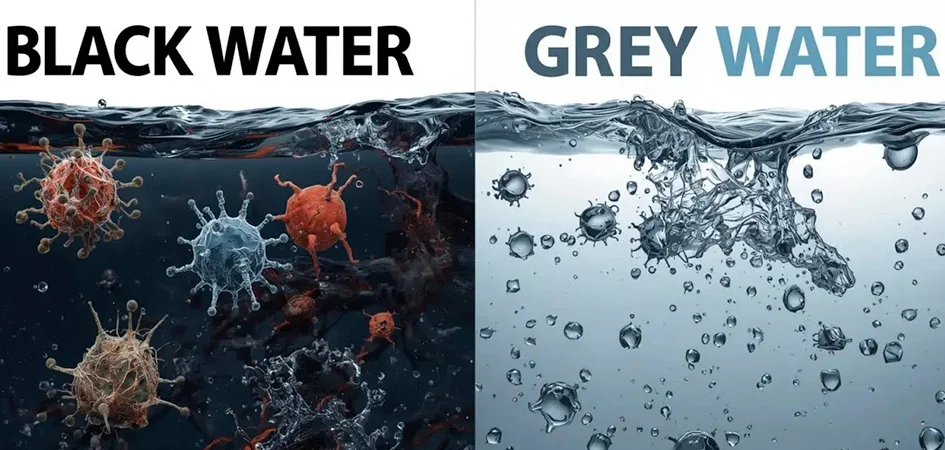
This category introduces moderate contamination risks. Grey water contamination typically comes from sources that contain soapy water, food particles, or minor organic matter. Examples include appliance leaks, such as a washing machine overflow or dishwasher contamination. While it is not loaded with human waste, it is certainly not safe to drink or leave sitting around.
What Is Black Water (Category 3)?
People often ask us, “What is Category 3 black water?” This is the most dangerous classification. Category 3 water damage involves water that is grossly contaminated and contains pathogenic, toxigenic, or other harmful agents. This includes sewage backups, toilet overflows with feces, and floodwater contamination from overflowing rivers or storm drains. Because of the biohazard classification, black water cleanup requires strict safety protocols.
Can Grey Water Become Black Water?
A common question from property owners is, “Can grey water become black water?” The simple answer is yes. It is a time-sensitive contamination issue. If Category 2 water is left untreated, bacterial growth multiplies rapidly. After 24 to 48 hours, stagnant grey water can degrade into a Category 3 biohazard, posing vastly increased health risks to your doorstep.
Why Category 3 Black Water Is Extremely Dangerous
Understanding the difference between grey water and black water usually comes down to the microscopic threats swimming within the liquid. The dangers of black water contamination are severe and should never be taken lightly.
Harmful Bacteria and Viruses
When you are dealing with a sewer backup, you are dealing with human waste. This environment is a breeding ground for nasty pathogens. Direct contact or accidental ingestion can lead to severe illness from E. coli, Salmonella, Hepatitis A, and Norovirus. Black water health risks are very real and can land you in the hospital.
Airborne Contaminants and Toxic Gases
The danger is not just in the water itself. As organic matter breaks down, it releases noxious fumes, including dangerous hydrogen sulphide gas exposure. Breathing in airborne pathogens significantly increases indoor air quality risks, leading to respiratory distress and prolonged illness.
Mould Growth and Secondary Damage
Standing water can cause significant moisture retention in your walls and floors. Even after the water recedes, hidden contamination can thrive, turning your basement into a haven for mould spores. This leads to structural deterioration over time. If you suspect your property has lingering moisture issues, you can learn more by reading our guide on What to Expect During a Mould Remediation Inspection.
High-Risk Groups
The health risks of sewage exposure are amplified for certain demographics. Children, elderly individuals, pets, and people with pre-existing respiratory conditions or compromised immune systems are especially vulnerable to the parasites and pathogens found in raw sewage.
Common Causes of Black Water Contamination
Knowing what causes these disasters can help you stay vigilant, especially in cities like Toronto, where aging infrastructure sometimes struggles to keep up with heavy use.
Sewage Backup Events
Municipal sewer systems can become overwhelmed, forcing raw waste to flow back into your home through the lowest drains.
Storm Flooding and Drain Overflow
During heavy GTA rainstorms, the sheer volume of water can overwhelm combined storm and sanitary sewer systems, sending toxic floodwaters straight into your basement.
Septic System Failures
For properties on the outskirts of the city that rely on septic tanks, mechanical failure, root intrusion, or simple lack of maintenance can cause the tank to back up into the property.
Burst Sewer Pipes
Freezing winter temperatures or shifting soil can cause main sewer lines to crack and burst, flooding the surrounding property with biohazardous waste.
Toilet and Drain Backups
A severe clog in your home’s main drain line can cause any flushed toilet to overflow with waste, immediately creating a localized Category 3 hazard.
What To Do Immediately After Black Water Exposure
If you find yourself facing a sewage spill, your immediate actions dictate the safety of your household. Here is what you need to do.
Evacuate Unsafe Areas
Get everyone out of the contaminated zone immediately. Do not attempt to wade through the water to save belongings.
Shut Off Utilities if Necessary
If it is safe to do so without stepping into the water, shut off the electricity and gas to the affected area to prevent electrocution and fires.
Avoid Direct Contact
Never touch black water with your bare skin.
Do Not Use Household Fans
It might be tempting to dry the area, but household fans will simply blow bacteria and mould spores throughout your home, spreading the contamination to unaffected rooms.
Protect Pets and Children
Ensure your kids and furry friends are far away from the affected area, as they are naturally curious and highly susceptible to illness.
Call Professional Sewage Cleanup Services Immediately
This is not a waiting game. You need to search for an emergency black water cleanup near me right away to limit the damage.
Your First 60 Minutes Checklist:
- Evacuate the immediate area.
- Turn off the power at the breaker (if safe to reach).
- Turn off the main water valve to stop additional flow.
- Keep doors to the flooded area closed to contain odours.
- Call Property Worx for an emergency dispatch.
Professional Black Water Cleanup Process
People often wonder what exactly happens when the experts arrive. The professional sewage cleanup process is rigorous, following strict IICRC standards and CDC sanitation guidelines to ensure your property is restored safely.
Emergency Inspection and Damage Assessment
Our certified technicians arrive and immediately conduct moisture mapping to see exactly how far the water has migrated. We perform a full safety evaluation before any work begins.
Containment Setup
To prevent the spread of airborne pathogens, we use isolation barriers and negative-pressure systems to quarantine the affected area.
Sewage Extraction and Waste Removal
Using industrial pumps and specialized extraction equipment, we safely pump out the standing waste, ensuring proper biohazard cleanup protocols are followed.
Deep Cleaning and Sanitization
Once the water is gone, the intensive cleaning begins. We use EPA-approved disinfectants and a specialized antimicrobial treatment to eradicate surviving bacteria and viruses.
Structural Drying and Dehumidification
We deploy commercial-grade air movers and dehumidification systems to remove moisture from building materials. We also run HEPA filtration air scrubbers to purify the air of any lingering contaminants.
Restoration and Repairs
Many porous materials cannot be saved after contact with raw sewage. This stage involves safe drywall removal, flooring replacement, and comprehensive structural restoration.
Final Testing and Clearance
We do not just guess when the job is done. We conduct moisture verification and air quality checks to guarantee your home is safe. For a deeper look at this process, check out our dedicated article on Sewage Backup Cleanup: Health Risks & Professional Restoration Process.
| Contamination Level | Estimated Cleanup Timeline |
| Minor Contamination (Small localized backup) | 1 to 3 days |
| Severe Contamination (Extensive basement flooding) | 1 to 2 weeks+ |
Why DIY Black Water Cleanup Is Never Recommended
Are you wondering how to clean sewage backup safely on your own? The blunt answer is: you shouldn’t. The risks far outweigh the savings.
Hidden Health Exposure Risks
Without proper PPE (Personal Protective Equipment), you expose your lungs, eyes, and skin to biohazards that can cause severe infections.
Cross-Contamination Concerns
Walking through a contaminated basement and then walking upstairs tracks invisible bacteria across your clean carpets and hardwood.
Improper Sanitization Problems
Standard household bleach does not penetrate porous materials like wood or concrete effectively. You might make the surface look clean while bacteria thrive underneath.
Unsafe Waste Disposal
Bagging up sewage-soaked materials and tossing them on the curb is illegal in many municipalities and poses a public health risk. Proper disposal requires specific protocols.
Long-Term Property Damage Risks
If you fail to extract every ounce of moisture, your home will suffer from dry rot and structural decay. Many porous materials simply cannot be safely salvaged and require expert removal.
Black Water Cleanup Cost Breakdown (2026 Guide)
We understand that budget is a major concern when disaster strikes. While every situation is unique, here is an overview of what to expect in terms of costs.
Average Cleanup Cost Ranges
In the Toronto market, an emergency extraction and mitigation service can range from a few thousand dollars to significantly more, depending entirely on the scale of the disaster.
Minor vs Severe Damage Pricing
A small, localized toilet overflow in a tiled bathroom will naturally cost much less to mitigate than a massive sewer line backup that floods a finished basement with wall-to-wall carpeting.
Factors That Affect Restoration Costs
Several variables dictate the final invoice:
- Affected square footage: The larger the spill, the more time and equipment required.
- Material removal: Tearing out and replacing flooring and drywall adds to the total.
- Contamination severity: Category 3 requires intense chemical treatments.
- Mould growth: If the water sat for days, mould remediation will be added to the scope of work.
- Emergency response timing: After-hours dispatches or holiday emergencies may incur premium rates.
Costs of Delaying Cleanup
Waiting to call for help is the most expensive mistake you can make. What starts as a basic sewage damage cleanup can quickly escalate into a massive structural rebuild if rot and mould take hold.
Does Insurance Cover Black Water Damage?
Dealing with your insurance provider can feel like learning a new language. We are here to help make sense of it.
What Standard Policies Usually Cover
Most standard home insurance policies will cover sudden and accidental internal water damage, such as a burst pipe. However, they often draw the line at water from outside or municipal sewer water.
Sewer Backup Endorsements Explained
Because sewer backups are so common in Canadian cities, many providers require a specific “Sewer Backup Endorsement” to be added to your policy. If you have this coverage, your sewer backup restoration costs should be largely covered.
Common Coverage Exclusions
Insurance claims are frequently denied if the damage was caused by a lack of maintenance (like ignoring a known plumbing leak for months) or if surface floodwaters entered from outside, which typically requires separate overland water coverage.
Tips for Filing a Successful Claim
Document everything. Take photos of the damage before anything is moved, but stay at a safe distance. Perform emergency mitigation steps by calling a professional immediately, as insurance companies require you to take action to prevent further damage.
How To Prevent Future Sewage Backups and Black Water Damage
An ounce of prevention is worth a pound of cure, especially when dealing with Category 3 hazards.
Routine Drain Maintenance
Avoid pouring grease down the kitchen sink, and never flush items like baby wipes or paper towels, even if the packaging claims they are flushable.
Sewer Line Inspections
If you live in an older Toronto neighbourhood with mature trees, have a plumber scope your main sewer line with a camera every few years to check for root intrusions.
Backwater Valve Installation
A backwater valve is a mechanical device installed in your basement’s main sewer line that allows water to flow out but automatically closes if the city sewer tries to push water back in.
Warning Signs of Sewer Problems
Listen to your house. Gurgling noises from your drains, slow-draining sinks, and foul odours wafting from your floor drains are all red flags that a blockage is forming.
Basement Flood Prevention Tips
Ensure your weeping tiles and sump pump are in good working order. Direct downspouts far away from your foundation to keep excess rainwater out of your drainage system.
Navigating Category 3 Dangers: A Quick Recap
Before we wrap up, let’s look at the core facts. Category 3 water is an active biohazard filled with viruses, bacteria, and toxic gases. You now know the vital differences between grey water and black water, and how quickly a minor leak can turn into a serious health crisis. We have covered the critical first steps, the rigorous sanitization protocols required, and why a DIY approach is a recipe for disaster. When your home’s safety is on the line, swift, professional intervention is the only clear path forward.
Why Property Worx Is the Trusted Choice for Black Water Cleanup
When you are standing ankle-deep in a biohazard, you need a team that operates with urgency, empathy, and expertise. Property Worx provides a 24/7 emergency response because disasters do not care what time it is. Our IICRC-certified restoration technicians arrive on-site with advanced drying and sanitation equipment to halt the damage in its tracks. We handle everything from safe disposal and contamination control to thorough structural drying, ensuring fast response times that minimize your overall costs.
Dealing with insurance can be stressful, which is why we offer dedicated insurance claim support to help you navigate the paperwork. As your trusted water damage restoration specialist in Toronto, we have years of experience handling hazardous water damage. We are deeply committed to restoring safe indoor environments for our neighbours across the GTA. When you need emergency sewage cleanup services, we are just a phone call away.
Get Expert Black Water Cleanup Help Today. Schedule Your Emergency Black Water Damage Inspection
