

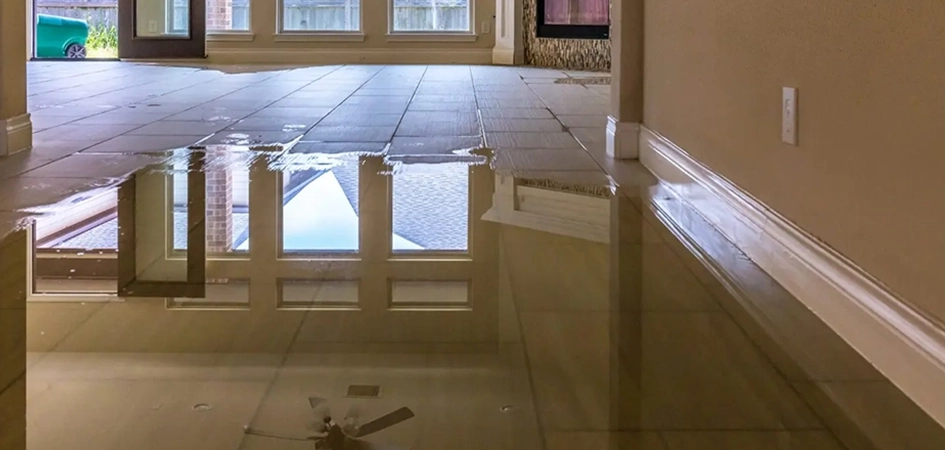
Finding a sudden puddle in your basement or a dripping ceiling is enough to make anyone’s stomach drop. Once the initial shock wears off, the very next thought is usually about the aftermath. You are likely asking yourself, how fast does mould grow after a water leak? The straightforward answer is that mould can begin developing within approximately 24 to 48 hours after water damage, as long as damp conditions remain. This tight window is exactly why the drying process needs to begin as quickly as possible.
Does this mean your living room will turn into a fuzzy green science experiment by tomorrow afternoon? Not necessarily. Mould does not always become visibly obvious within that first 24 hours. The speed of mould growth depends on a cocktail of factors, including moisture content, temperature, humidity, airflow, and the specific materials affected. The real danger is that hidden areas often remain wet long after the surface appears perfectly dry. The longer that trapped moisture sits, the greater the likelihood of mould becoming firmly established. Property Worx is here to help Toronto property owners tackle these stressful situations with professional water damage restoration and targeted mould remediation assistance before a small leak turns into a massive headache.
Key Takeaways
- Mould growth can begin within 24 to 48 hours under favourable damp conditions.
- Visible mould often takes much longer to become noticeable to the naked eye.
- Porous materials like drywall, carpet padding, and wood easily retain water and feed mould spores.
- Hidden moisture lurking behind walls and beneath flooring allows mould to develop entirely unnoticed.
- Fast water extraction and structural drying will significantly reduce your risk of secondary damage.
- If your property has been wet for 24 to 48 hours or more, scheduling a professional assessment is a smart move.
Mould Growth Timeline After a Water Leak
Understanding the mould growth timeline helps you make informed decisions when you are standing in a wet room trying to figure out what to do next. Let us break down how quickly things can escalate.
First 0–24 Hours
On the very first day, your only priorities are stopping the leak, removing standing water, and starting the drying process. Mould spores are naturally present in every indoor environment, just floating around looking for a place to settle. Sustained moisture creates the exact conditions where this growth can begin. Materials such as drywall, carpet padding, insulation, wood, and ceiling materials act like giant sponges and start absorbing moisture immediately. While you will not see mould yet, the clock is officially ticking.
Around 24–48 Hours
This is the critical risk window. How long does mould take to grow after a leak? Right around the 24- to 48-hour mark, mould can begin to establish roots if the building materials remain damp. Several conditions act as fuel during this period. Continued high humidity, saturated porous materials, poor ventilation, and warm indoor temperatures all encourage mould spores to settle in and thrive. Hidden moisture behind walls is particularly risky right now. Keep in mind that this timeframe is a strong risk indicator, not a guarantee that every leak will create visible mould after exactly 48 hours.
After 48 Hours and Beyond
Once you pass the 48-hour mark, prolonged dampness drastically increases the likelihood of established growth and secondary damage. Mould after flooding or significant water intrusion may begin spreading into hidden, hard-to-reach areas. At this stage, the affected porous materials often become much more difficult to dry or salvage. If substantial moisture has remained unresolved beyond this period, we strongly recommend a professional assessment to ensure your space is actually safe and dry.
What Makes Mould Grow Faster After Water Damage?
There is no single, exact timeline for mould because environmental conditions differ from one Toronto property to the next. What takes weeks in a cold, well-ventilated space might take mere days in a humid basement. Here are the main factors that dictate how quickly mould grows after water damage.
Amount of Moisture
Water is the lifeblood of mould. The wetter the building material and the longer it remains wet, the greater the opportunity for mould growth. A burst pipe provides a much larger source of moisture than a tiny drip under the sink.
Temperature and Humidity
Mould loves a warm, cozy environment just as much as we do. Warm, humid, poorly ventilated spaces generally create much more favourable conditions for mould. If your HVAC system is off or indoor humidity spikes after a leak, the growth process accelerates.
Type of Building Material
Mould spores need food to survive. They prefer organic, porous materials. The most vulnerable items in your home or commercial building include:
- Drywall
- Wood
- Insulation
- Carpet and carpet padding
- Ceiling tiles
- Paper-faced building products
- Upholstered furniture
Airflow and Ventilation
Still air is a silent accomplice to water damage. Poor ventilation allows humidity to settle and damp conditions to persist. Good airflow helps evaporate surface moisture, whereas a stagnant room practically invites mould to move in.
How Long the Leak Went Undetected
A massive flood is obvious, but a slow pinhole leak behind a bathroom wall might go unnoticed for months. This creates a severe hidden mould risk because moisture can remain for days or weeks before any visible water damage appears on your drywall.
Where Does Mould Usually Grow After a Water Leak?
It is a common misconception that mould will only grow right where you found the puddle. Often, mould is not visible on the surface at all. Water travels the path of least resistance, sinking into cracks and wicking up drywall.
You need to think about common hidden areas such as behind drywall, inside wall cavities, under flooring, beneath carpet padding, around baseboards, behind cabinets, inside insulation, above ceilings, and around plumbing penetrations. Damp basement areas are notorious for this.
Just because a wall or floor feels dry at the surface does not necessarily mean the structural materials behind it are dry. Our team uses advanced moisture detection tools and thermal imaging to find water hidden inside walls, ceilings, and flooring, ensuring nothing is missed.
Signs Mould May Be Growing After a Leak
If you have recently cleaned up a spill or fixed a leaky roof, you need to remain vigilant. What are the signs of mould after water damage? Property owners should keep a close eye out for a few specific warning signs in the days and weeks following an incident.
You might notice a musty or earthy odour lingering in the room. You may see black, green, brown, or white spotting starting to form. Watch for discoloured drywall, peeling or bubbling paint, swollen baseboards, and warped flooring. Persistent dampness, recurring water stains, soft drywall, or visible fuzzy growth around the original leak area are all massive red flags.
Have you ever walked into a room and smelled an old, damp basement? A musty smell without visible mould is often a primary indicator of growth or moisture trapped in a concealed area.
What Should You Do in the First 24–48 Hours After a Water Leak?
Taking the right steps early on can prevent extensive damage to your property. If you act fast, you can prevent mould after water leak situations from spiralling out of control.
First, stop the water source if it can be done safely. Avoid any electrical hazards in wet areas. Once the area is safe, remove any standing water and move your wet belongings away from the affected zone. Make sure to document the damage thoroughly with photos and videos for your insurance provider.
Begin appropriate drying and dehumidification right away. Check all the surrounding walls, flooring, baseboards, and ceilings for moisture. Remove heavily saturated materials only when professionally recommended. For significant or hidden water damage, arranging professional moisture detection is crucial.
If you want a deeper dive into protecting your space after the initial cleanup, read our guide, “How to Prevent Mould After Water Damage Restoration.” We stress stopping the source, documenting everything, removing water quickly, and addressing hidden moisture before mould after water damage becomes a larger secondary issue.
When Should You Call a Water Damage or Mould Professional?
There are times when a mop and a box fan just will not cut it. Professional help becomes especially important when water has remained standing for more than 24 to 48 hours. If your walls, insulation, ceilings, or flooring are saturated, it is time to call for backup.
You should also reach out to the pros if the water source is hidden, there is a persistent musty odour, or visible mould is already present. If the water damage covers a substantial area or involves dangerous sewage or contaminated water, do not try to handle it yourself. A leak that occurs repeatedly often indicates moisture is permanently trapped inside walls or subfloors, and the property cannot be thoroughly dried with normal household methods.
Property Worx uses professional moisture detection, thermal imaging, heavy-duty extraction, structural drying, commercial dehumidification, and proven mould remediation methods depending on your unique situation. Whether you need comprehensive water damage restoration or targeted mould removal & remediation, our local Toronto team has the expertise to restore your property safely.
Act Quickly After a Water Leak to Reduce Mould Risk
Let us circle back to where we started. Mould can begin developing within approximately 24 to 48 hours when water-damaged materials remain damp. The safest, smartest approach is to start drying immediately rather than waiting around for visible mould to appear. Hidden moisture is, without a doubt, one of the biggest concerns after a leak, and a professional inspection can identify wet areas that are completely invisible on the surface. Property Worx is your next step for significant leaks, lingering moisture, or suspected mould.
Contact Property Worx for 24/7 Water Damage Restoration today and let us get your property back to normal.
Have you ever experienced a hidden leak in your home that went unnoticed for days?
