

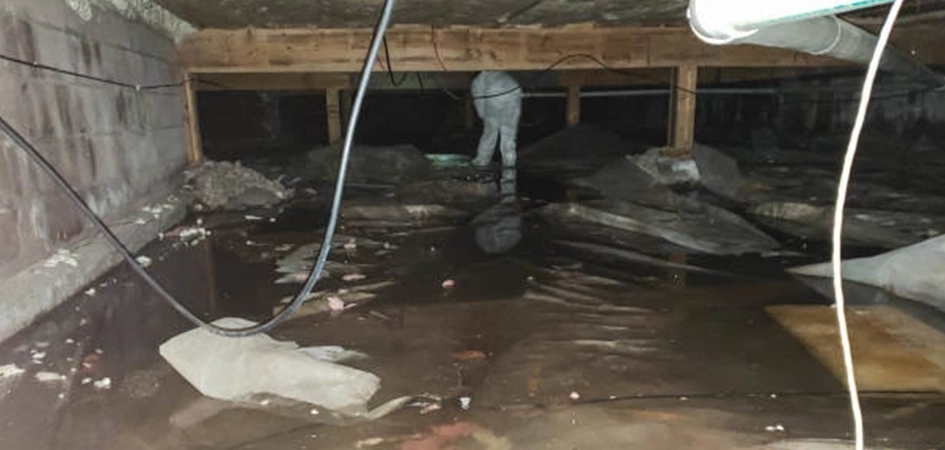
Picture this: you wake up on a Tuesday morning in Toronto. A heavy rainstorm rolled through the Greater Toronto Area the night before, and as you walk into your living room, you spot a menacing brown ceiling water stain. Or perhaps you step into your finished basement only to hear a squelch under your socks, realizing a pipe has burst behind the drywall. Have you ever been in that sinking boat? It is a stressful moment for any property owner. The very first question homeowners ask is simple: Did the weather cause this, or is the plumbing system to blame?
Figuring out the origin of the issue is not just about pointing fingers. The difference matters because the source of damage can affect cleanup methods, repair priorities, insurance documentation, and long-term prevention. Whether water seeped in from the outside or spilled out from the inside, both can lead to mould, structural issues, damaged flooring, and expensive repairs if not handled quickly.
In this guide, Property Worx will walk you through everything you need to know. We will cover the root causes, warning signs, insurance considerations, cleanup steps, the restoration process, costs, and exactly when to call a professional.
Key Takeaways
- Identify the Source Early: Knowing whether you are dealing with storm damage vs plumbing damage dictates your first response. Shutting off the main water valve protects a home from plumbing leaks, but does nothing to prevent a leaking roof.
- Insurance Distinctions Matter: Most insurance policies cover sudden and accidental damage, but slow plumbing leaks or poor roof maintenance can complicate claims.
- Act Quickly: Regardless of the source, standing water starts ruining floors and drywall within hours. Quick water extraction and structural drying are essential to prevent mould.
- Call the Right Pros: Plumbers stop internal leaks, roofers fix exterior breaches, and restoration companies handle the extensive cleanup, drying, and rebuilding.
What Is Storm Damage?
Storm damage occurs when severe weather breaches your home’s exterior defences, allowing nature to wreak havoc indoors. Here in Toronto, our homes face everything from heavy summer downpours off Lake Ontario to freezing winter blizzards, putting constant pressure on exterior materials.
Common Causes of Storm Damage
- Heavy rain: Continuous downpours can overwhelm drainage systems.
- Wind-driven rain: Strong gusts can push moisture sideways under siding and roof shingles.
- Hail damage: Ice pellets can dent gutters and crack roofing materials.
- Fallen branches or debris: High winds can turn tree limbs into projectiles.
- Roof damage: Aging or compromised roofs are prime targets for storm damage and water damage.
- Broken windows: Debris can shatter glass, letting the elements inside.
- Foundation seepage: Poor yard grading can funnel storm runoff right into your basement.
- Flooding from exterior water: Flash floods can push surface water through doors and window wells.
How Storm Water Enters a Home
Even the sturdiest Toronto homes have vulnerabilities. Water typically finds its way inside through:
- Damaged roof shingles
- Cracked siding
- Broken windows or doors
- Basement wall cracks
- Poor drainage around the foundation
- Overflowing gutters
- Storm surge or surface water
Why Storm Damage Can Be Hard to Identify
Storm damage may not always appear immediately. Water is tricky. It can travel a long way from its original entry point. Rainwater might slip through a tiny gap in the roof flashing, travel down a rafter, soak through attic insulation, and run down the inside of a wall before a visible stain ever appears on your living room ceiling. By the time you notice the issue, the moisture intrusion could be extensive.
What Is Plumbing Damage?
While storm damage attacks from the outside, plumbing damage is an inside job. It happens when the pressurized systems or drainage pipes that carry water safely through your home suddenly fail.
Common Causes of Plumbing Damage
- Burst pipes: Freezing temperatures or aging materials can cause pipes to split.
- Leaking supply lines: The flexible hoses that feed your sinks and appliances can deteriorate over time.
- Dishwasher leaks: Worn gaskets or loose connections can result in appliance leak water damage.
- Washing machine leaks: Rubber hoses can burst under pressure.
- Water heater failure: Rusty tanks can dump dozens of gallons of water in minutes.
- Toilet overflows: Blockages can lead to an unsanitary mess.
- Sewer backups: City lines or main drains can clog, forcing sewage back into the home.
- Drain line leaks: Hidden pipes behind walls can corrode and slowly drip.
Speaking of winter nightmares, if you are dealing with a cold-weather emergency, check out our guide, “What To Do When a Frozen Pipe Bursts in Winter (Step-by-Step Guide),” to handle the chill safely and effectively.
How Plumbing Damage Spreads Indoors
When a pipe lets go, the water has nowhere to go but directly into your living space. Water from plumbing failures can quickly soak drywall, flooring, cabinets, insulation, and subfloors, especially when the leak goes unnoticed. Because clean water supply lines are under pressure, a plumbing leak water damage event can flood a room in a matter of minutes.
Why Plumbing Damage Often Requires Source Control First
If rain is causing the leak, you usually have to wait for the storm to pass. In the event of plumbing damage, the water source must be shut off before cleanup begins. This may involve shutting off the main water valve in your basement, repairing a pipe, or stopping an appliance leak. You simply cannot dry a room if the tap is still running.
Storm Damage vs Plumbing Damage: Key Differences
Are you scratching your head trying to figure out what happened? Let us break down the core differences to help you solve the mystery.
Source of the Water
- Storm damage usually comes from outside the property.
- Plumbing damage usually comes from inside the property.
Timing of the Damage
- Storm damage often appears during or shortly after severe weather. If a massive summer squall just rolled through the GTA, the weather is your likely culprit.
- Plumbing damage can occur at any time, including while homeowners are away on vacation, leading to disastrous surprises upon return.
Areas Commonly Affected
Storm damage often affects:
- Roofs
- Attics
- Ceilings
- Basements
- Exterior walls
- Windows and doors
Plumbing damage often affects:
- Bathrooms
- Kitchens
- Laundry rooms
- Utility rooms
- Walls near pipes
- Floors beneath appliances
Contamination Risk
Both types of water damage can involve clean, gray, or contaminated water, depending on the source. A fresh-burst supply line delivers clean water (Category 1). A leaking dishwasher might produce gray water (Category 2). However, sewage backups, floodwater, and stormwater entering from outside are heavily contaminated (Category 3) and may require more extensive sanitization to keep your family safe.
Signs the Damage May Be Storm-Related
If you are trying to be a property detective, here are the clues that point to Mother Nature.
Water Appears After Heavy Rain or Wind
Timing is one of the biggest clues. If water appears immediately after a storm, exterior damage may be involved. Water damage from heavy rain is a common occurrence in older Toronto neighbourhoods where roofs have seen better days.
Roof, Gutter, or Siding Damage Is Visible
Take a walk around your property. Signs to look for include:
- Missing shingles
- Damaged flashing
- Dented gutters
- Broken siding
- Debris impact marks
Water Enters Through Ceilings, Windows, or Basement Walls
Water stains near exterior-facing areas may point to storm-related entry points. If the drywall feels mushy right next to a window frame, wind-driven rain is likely finding a gap in the caulking.
Multiple Areas Are Affected at Once
Storms can cause widespread damage, especially if water enters through the roof, foundation, or multiple exterior openings. It is not uncommon to find puddles near the front door and moisture in the basement simultaneously during a severe weather event.
Signs the Damage May Be Plumbing-Related
When the skies are clear but your floors are soaked, it is time to check the pipes.
Water Appears Near Fixtures or Appliances
Examples include puddles or damp spots:
- Under sinks
- Around toilets
- Behind refrigerators
- Near dishwashers
- Around washing machines
- Near water heaters
Water Continues Flowing After the Storm Has Passed
If water keeps spreading even when the weather is dry, the source may be an active plumbing leak. Stormwater eventually stops dripping once the roof dries out. A leaking pipe never sleeps.
There Is a Sudden Drop in Water Pressure
Pressure changes may indicate a pipe issue or a hidden leak. Have you noticed your shower is suddenly lacking its usual punch? A pipe might be directing that missing water right into your subfloor.
There Are Sounds of Running Water
Listen closely to your house. Dripping, hissing, or running water sounds inside walls or floors are massive red flags.
Why the Difference Matters for Insurance Claims
Dealing with insurance adjusters can feel like navigating a maze. The exact terminology and the source of the water play a massive role in how your water damage insurance claim is handled.
Sudden and Accidental Damage
Many insurance policies are more likely to cover sudden and accidental damage, such as a burst pipe or a storm-created opening like a tree branch breaking a window. These are unforeseen emergencies.
Gradual Damage or Neglect
Slow leaks, poor maintenance, or long-term seepage may be harder to claim. If a roof leak water damage event happened because the shingles have been deteriorating for a decade, your provider might view it as an avoidable maintenance issue rather than an insured peril.
Flood Damage Limitations
Flood damage may be treated differently from storm-related water intrusion and may require separate coverage depending on the policy. Overland flooding usually requires a specific rider. To get a clearer picture of how insurance companies categorize overland water versus internal issues, read our breakdown on Flood Damage vs. Water Damage: What’s the Real Difference?.
Documentation Tips
To ensure your claim goes smoothly, we recommend that homeowners:
- Take photos and videos of everything before cleaning up.
- Save damaged materials when safe.
- Record the date and time of discovery.
- Note recent weather events.
- Keep plumber, roofer, and restoration invoices.
- Contact insurance promptly.
What to Do Immediately After Water Damage
When you find standing water, the clock starts ticking. Here is how you can safely mitigate the disaster.
Protect Safety First
- Avoid standing water near electrical outlets.
- Do not enter rooms with sagging ceilings.
- Wear protective footwear and gloves.
- Avoid contaminated water.
Stop the Water Source If Possible
For plumbing damage:
- Shut off the main water valve.
- Turn off appliance supply lines.
- Call a plumber if needed.
For storm damage:
- Avoid climbing on the roof (leave this to the professionals).
- Use temporary protection only if safe, like placing buckets under drips.
- Call a restoration professional for emergency mitigation.
Remove Standing Water Quickly
Fast water extraction can reduce damage to flooring, drywall, and structural materials. The less time water spends soaking into porous surfaces, the more likely those materials are to be salvaged.
Start Professional Drying
Opening a window is not enough. You need proper airflow to tackle moisture hiding in the walls. This involves air movers, dehumidifiers, moisture meters, and infrared detection.
Professional Restoration Process
At Property Worx, we approach every water damage restoration job methodically to ensure your home returns to a safe, healthy state.
Inspection and Source Identification
Professionals determine whether the water came from a storm entry, a plumbing failure, a sewage backup, an appliance leak, or a foundation intrusion.
Moisture Mapping
We track the water’s path using:
- Moisture meters
- Infrared cameras
- Wall and flooring inspection
- Subfloor moisture checks
Water Extraction
Removing standing water quickly is the vital first step. Industrial-grade pumps and vacuums can extract thousands of litres of water from carpets and basements faster than any consumer-grade shop vacuum.
Structural Drying
We do not guess if a wall is dry; we prove it. This phase includes:
- Air movers
- Dehumidifiers
- Controlled drying conditions
- Daily moisture monitoring
Cleaning and Sanitization
We apply antimicrobial treatments as needed, especially for gray or contaminated water, to eliminate bacteria and other pathogens from your home environment.
Repairs and Reconstruction
Once the property is dry and safe, we rebuild. This includes drywall replacement, flooring repairs, trim replacement, roof repairs, plumbing repairs, and repainting when necessary.
Repair Cost Factors for Storm and Plumbing Damage
Nobody likes opening their wallet for home repairs, but understanding the variables can help you anticipate the scope of the project
Size of the Affected Area
Larger affected areas require more drying, demolition, and repairs. A localized leak under a sink is much more manageable than a burst pipe that floods an entire finished basement.
Water Category
Clean water damage is often less complex than contaminated water or sewage backup damage. Handling Category 3 water requires specialized protective gear and extensive sanitization, which drives up labour costs.
Length of Water Exposure
The longer water sits, the greater the risk of mould, swelling, rot, and structural damage. Wood warping and drywall crumbling are direct results of prolonged exposure.
Materials Affected
Costs may increase if damage reaches:
- Hardwood floors
- Cabinets
- Drywall
- Insulation
- Subflooring
- Electrical systems
- HVAC components
Mould Remediation Needs
Mould after water damage can increase cleanup complexity and cost. Catching the issue within the first 48 hours is the best way to keep mould from taking root.
Who Should You Call: Plumber, Roofer, or Restoration Company?
When disaster strikes, your phone is your best tool. But who do you dial first?
Call a Plumber When
- A pipe has burst.
- A fixture is leaking.
- A water heater fails.
- A drain or sewer line backs up.
- Water is coming from an internal supply line.
Call a Roofer When
- Shingles are missing.
- Flashing is damaged.
- Water is entering from the roof.
- Hail or wind damage is visible.
Call a Restoration Company When
- Water has spread into floors, walls, or ceilings.
- There is standing water.
- Mould is suspected.
- The damage involves multiple rooms.
- Insurance documentation is needed.
- Emergency drying is required.
How to Prevent Storm Damage and Plumbing Damage
An ounce of prevention is worth a pound of cure, right? Let us look at how you can stop these headaches before they start.
Storm Damage Prevention
- Clean gutters regularly to ensure proper drainage.
- Inspect roof shingles and flashing every season.
- Improve grading around the home to direct water away from the foundation.
- Seal windows and doors with fresh caulking.
- Maintain sump pumps to prevent basement flooding.
- Trim trees near the roof to reduce debris hazards.
Plumbing Damage Prevention
- Inspect appliance hoses for cracks and wear.
- Replace aging supply lines with braided steel alternatives.
- Check under sinks regularly for hidden drips.
- Know where the main water shutoff is located so you can act quickly.
- Maintain water heaters and watch for rust.
- Install leak detection sensors near major appliances.
Why Professional Water Damage Restoration Matters
Water damage is not always visible on the surface. Moisture loves to hide inside walls, under flooring, behind cabinets, and inside insulation. If you simply mop up the visible puddle and call it a day, you are leaving an invisible hazard behind. Professional restoration teams use specialized equipment to detect hidden moisture, properly dry materials, prevent mould growth, and thoroughly document the damage for insurance purposes.
A fast, professional response can reduce repair costs, protect structural materials, and help homeowners avoid secondary damage, such as rot or respiratory issues from mould. By relying on trusted water damage restoration experts, you ensure the job is done right the first time. Whether you need emergency storm-damage restoration after a brutal GTA weather event or plumbing water-damage cleanup for a sudden indoor leak, the goal is always to protect your investment. Utilizing professional structural drying services guarantees peace of mind, knowing your home is genuinely dry, not just dry on the surface.
Fixing the Leaks and Weathering the Storm: A Quick Recap
Whether you are battling Mother Nature or a stubborn, broken pipe, water intrusion is an emergency that demands immediate action. The source of the water dictates your very first steps. If it is plumbing, turn off the valve. If it is storm-related, document the exterior breach and secure the safety of your interior. In both scenarios, rapidly extracting the water, bringing in professional structural drying equipment, and identifying hidden moisture are key to avoiding costly mould damage and extensive reconstruction. Navigating the difference between storm and plumbing damage doesn’t have to be a guessing game. By understanding the signs and bringing in the right team, you can protect your home and your sanity.
Are you currently dealing with a water emergency? Do not wait for the damage to spread.
Get Emergency Water Damage Help Now
