

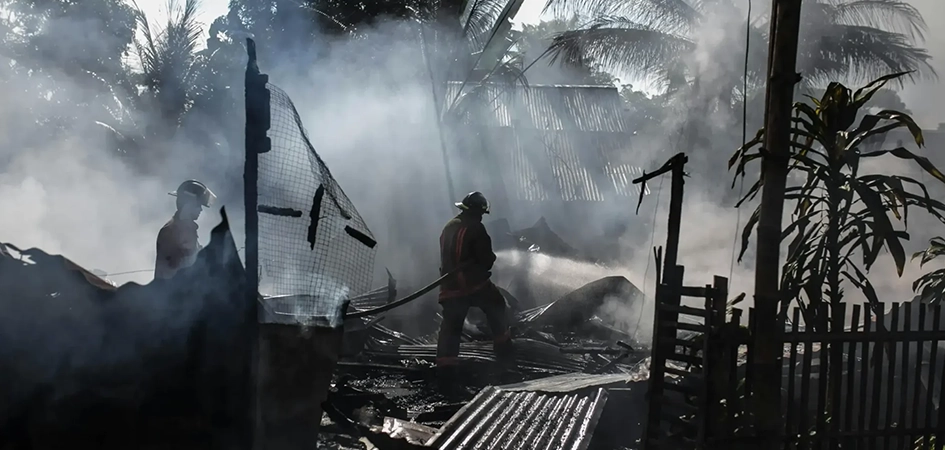
The flames are out, the air has cleared, and you have wiped away the visible soot from the counters. You breathe a massive sigh of relief after a small kitchen fire. But days later, your Toronto home still holds onto an unwelcome guest. The lingering smoke smell after fire events can be stubborn as a mule, clinging to fabrics, walls, cabinets, carpets, and vents.
Whether you are dealing with a downtown condo or a suburban house in the GTA, you are likely asking yourself a very common question. Will the smoke smell go away on its own?
Opening a few windows and letting the breeze roll in from Lake Ontario might help with very light smoke exposure, but ventilation alone rarely removes embedded smoke particles from porous surfaces. Smoke particles are crafty. They hide in soft furnishings, ductwork, drywall, insulation, cracks, electronics, and other materials. A house smells like smoke after fire because those microscopic particles have essentially moved in and unpacked their bags.
In this guide, we will walk you through exactly how long smoke smells last after a fire, what affects that timeline, and why the odour lingers. We will also explore DIY smoke smell removal limitations, when you need professional help, and how restoration experts tackle the problem at the source. At Property Worx, we pride ourselves on being your trusted fire damage restoration experts, ready to restore your home and your peace of mind.
Key Takeaways
- Timelines Vary: A smoke smell after small fire incidents might fade in a few days, but severe, untreated smoke damage can linger for months or even years.
- Odour is Microscopic: Smoke particles penetrate deeply into porous materials such as drywall, carpets, and upholstery, making surface cleaning alone insufficient.
- HVAC Systems Spread Smell: Running your heating or cooling system during a fire can pull soot and smoke into your ductwork, recirculating the odour throughout the entire home.
- Masking Fails: Candles and air fresheners only cover up the scent temporarily. True smoke damage smell removal requires eliminating the source.
- Professionals Have the Tools: Expert methods like thermal fogging, HEPA air scrubbers, and hydroxyl generators are often necessary to safely and effectively neutralize stubborn odours.
How Long Does Smoke Smell Last After a Fire?
General Smoke Smell Timeline
There is no single answer to “How long does fire smoke smell last?” because every single fire is a unique event. However, here is a general timeline to give you an idea of what to expect:
- Light smoke exposure: A few days to 1-2 weeks with proper ventilation and surface cleaning.
- Small kitchen or appliance fire: 1 to 3 weeks, depending on the amount of soot and the materials affected.
- Room fire: Several weeks to a few months if you skip professional deodorization.
- Whole-home fire: Months or longer if smoke residue is not systematically removed.
- Untreated smoke damage: The odour can persist for years in porous materials and hidden building cavities.
Why Some Homes Smell Like Smoke for Months
Have you ever wondered why that campfire smell sticks to your jacket for weeks? House fires are much worse. Smoke particles bond tightly to surfaces. The resulting soot residue can be highly acidic, eating away at finishes while releasing trapped odours. Porous materials absorb this odour deeply into their core.
Furthermore, heat causes the pores in building materials to expand. This opens the door for smoke to penetrate deeper into wood and drywall. When the room cools down, those pores close, trapping the odour inside. To make matters worse, HVAC systems can recirculate smoke constantly, meaning basic surface cleaning may never reach the true sources of the odour.
Does Smoke Smell Go Away on Its Own?
Light airborne smoke might fade away with good ventilation. However, embedded smoke odour usually does not fully disappear without targeted action. You might be tempted to light some scented candles or plug in an air freshener, but these only mask the odour. If the smell is hanging around, it usually means smoke particles or soot residue remain actively trapped in your environment.
What Affects How Long Smoke Smell Lasts?
Size and Severity of the Fire
The scale of the disaster directly dictates the odour timeline. Small contained fires, like a minor garbage can flare-up, are usually easier to manage. Grease fires and electrical fires, however, leave behind a particularly pungent footprint. Room fires or full structural fires produce a massive volume of smoke that infiltrates every corner. Even smoke-only exposure from nearby fires, like a neighbour’s property burning, can cause significant indoor air quality issues.
Type of Materials Burned
Different materials create vastly different smoke residues. When wood or paper burns, the smoke is relatively straightforward. But modern Toronto homes are filled with diverse materials. Burning plastic, rubber, or synthetic fabrics creates a thick, sticky residue. Food and grease fires leave behind a stubborn, greasy film. Electrical components, insulation, and painted materials can produce strong, persistent odours and potentially hazardous residues that require specialized smoke and soot cleanup services.
How Long Smoke Stayed in the Home
Time is of the essence during a fire. A short exposure with quick ventilation limits the damage. Prolonged exposure allows particles to settle. Were the doors and windows closed during the event? Was the HVAC running, pulling smoke into the return vents? Did the smoke have enough time to seep into wall cavities or ductwork? The longer the smoke sits, the harder it is to evict.
Type of Smoke Residue
Not all smoke is created equal.
- Wet smoke: Results from smouldering fires with low heat, leaving a sticky, pungent residue.
- Dry smoke: Comes from fast-burning, high-temperature fires, resulting in dry, powdery soot.
- Protein smoke: Almost invisible but carries an incredibly foul odour, usually from burning food or meat.
- Fuel oil smoke: Often caused by furnace puff-backs, leaving a greasy, dark film.
- Fire extinguisher residue: The chemicals used to put out the fire can also leave a lingering, distinct smell
Materials Affected by Smoke
Some items grab onto smoke and refuse to let go. The most commonly affected materials include carpets, upholstery, curtains, mattresses, and clothing. Structural elements like drywall, wood framing, unsealed cabinets, insulation, and HVAC ducts are also prime targets for stubborn smoke odours.
Why Smoke Smell Lingers After a Fire
Smoke Particles Are Microscopic
To understand why smoke odour removal after fire is so difficult, you have to look at the science. Smoke particles are tiny, often ranging from 0.1 to 4 microns in size. To put that into perspective, they are small enough to easily penetrate cracks, seams, and hidden areas of your home that you cannot even see. They bypass standard cleaning efforts because they literally weave themselves into the fabric of your property.
Porous Materials Trap Odour
If a material has pores, it is going to trap smoke. Think of fabric, carpet padding, upholstery foam, unsealed wood, drywall, insulation, and paper products as giant sponges. When a fire happens, these materials soak up the VOCs and smoke particles, holding them hostage and slowly releasing the scent back into your rooms over time.
HVAC Systems Can Spread the Smell
Your heating and cooling system is the lungs of your house. If it was running during or after the fire, it inhaled smoke particles and distributed them directly into your ducts, vents, coils, and air filters. This is exactly why a localized kitchen fire can make your upstairs bedroom smell terrible. The HVAC system becomes a trap that constantly recirculates the problem.
Soot Residue Can Keep Releasing Odour
Soot is not just an ugly black stain. It is active chemical residue. It can cling to walls, ceilings, contents, and hidden wall cavities. This residue will continue releasing odour until it is properly cleaned or sealed. Furthermore, acidic smoke residue can permanently damage surfaces over time, causing discoloration and corrosion if ignored.
Signs Smoke Smell May Go Away With Basic Cleaning
The Fire Was Small and Contained
If you had a brief fireplace smoke backup, a minor appliance smoking issue, or a very small pan fire, you might be in luck. When the smoke is strictly limited to one room and handled quickly, basic airing out and cleaning can sometimes resolve the issue.
There Is No Heavy Soot or Charring
When you look around and see no dark streaks or sticky webbing on the walls, you are dealing with a light odour. Light smoke without visible soot is significantly easier to treat and less likely to leave a permanent mark.
Smoke Did Not Enter HVAC or Multiple Rooms
If you managed to keep the doors closed and your HVAC system was turned off, you prevented the smoke from migrating. Limited spread drastically improves your cleanup timeline.
The Home Was Ventilated Quickly
Opening windows immediately, using fans to push smoky air outside safely, removing smoke-exposed items to the garage, and replacing your air filters right away are all proactive steps. If you did these things promptly, your chances of a quick recovery are much better.
Signs You Need Professional Smoke Odour Removal
Smoke Smell Persists After Cleaning
Have you scrubbed the walls, washed the curtains, and left the windows open for a week, yet the smell remains? If the odour persists after thorough surface and fabric cleaning, those microscopic smoke particles are embedded much deeper than your sponge can reach.
Multiple Rooms Smell Like Smoke
When you had a fire in the basement, but the second-floor hallway smells like a campfire, you have widespread smoke migration. This usually indicates HVAC spread or significant draft movement, requiring professional intervention.
Soot Is Visible on Walls, Ceilings, or Contents
Soot requires a very specific approach. If you grab a wet rag and start scrubbing visible soot, you will likely smear the residue and push the acidic particles deeper into the drywall or paint. Improper cleaning makes the problem worse.
The HVAC System Was Running During the Fire
If your furnace or air conditioner was operating, your ductwork is now contaminated. We strongly recommend professional inspection and duct cleaning when smoke has circulated through your vents to stop the cycle of bad air.
There Are Children, Seniors, or Respiratory Concerns in the Home
A fire smoke smell in house environments is not just annoying. It is an indoor air quality hazard. For vulnerable family members, breathing in lingering VOCs and soot particles can be detrimental to their health.
The Fire Involved Plastics, Chemicals, or Synthetic Materials
Burning a steak leaves a certain type of smell. Burning a plastic coffee maker or synthetic curtains leaves a complex, toxic residue. These fires require advanced deodorization methods to neutralize safely.
DIY Smoke Smell Removal: What Homeowners Can Try
Ventilate the Home Safely
The first step is always fresh air. Open windows and doors when it is safe to do so. Use box fans pointing outward to push the smoky air outside. Be careful not to position fans in a way that blows smoke into unaffected rooms. Always replace your HVAC filters immediately.
Remove Smoke-Affected Soft Items
Gather up the odour sponges. Remove curtains, bedding, throw pillows, small rugs, clothing, and fabric decor from the affected area. Washing them with specialized odour-neutralizing laundry detergents can help salvage them.
Clean Hard Surfaces
For walls, ceilings, cabinets, floors, counters, doors, and trim, a methodical cleaning approach is necessary. Always start with dry soot cleaning using a chemical dry sponge before you ever apply a wet cleaner. Wetting soot before dry sponging will set the stain permanently.
Use HEPA Vacuuming and Air Filtration
Standard vacuums will just blow fine soot back into the air. HEPA vacuums are required to capture fine particles safely. Pair this with room-sized air purifiers equipped with activated carbon filtration to help absorb airborne odours and gases.
Avoid Common DIY Mistakes
The road to good intentions is often paved with lingering odours. Avoid using standard air fresheners to mask the odour. Never paint over smoke-damaged walls too soon without proper cleaning and a stain-blocking primer. Do not run contaminated HVAC systems. Avoid using ozone machines without proper training, as they can be dangerous to humans, pets, and even rubber materials in your home. Finally, never ignore insulation, ducts, and wall cavities when hunting for the source.
For a deeper dive into what you can and cannot do yourself, check out our guide on Smoke & Odour Removal After a House Fire: Techniques Pros Use (and DIY Limits).
Professional Smoke Odour Removal Process
Fire and Smoke Damage Inspection
Every successful restoration begins with a meticulous assessment. Professionals identify the source of the fire, review soot patterns to see how the smoke travelled, assess the affected building materials, and conduct an HVAC inspection. Evaluating the odour severity helps formulate a precise attack plan.
Smoke-Damaged Item Removal
We separate the unsalvageable contents from the restorable items. Proper documentation of items for your insurance claim is a crucial step. Removing these items quickly helps prevent the recontamination of the space.
Soot and Surface Cleaning
Our teams utilize dry cleaning sponges, HEPA vacuuming, and specialized smoke residue cleaners. We methodically clean walls, ceilings, floors, trim, and contents, ensuring that the acidic residue is neutralized rather than just wiped around.
Air Scrubbing and Filtration
We deploy commercial-grade HEPA air scrubbers to capture airborne particles and activated carbon filters to trap volatile gases. Setting up negative air pressure when needed ensures that contaminants are pushed outside, vastly improving indoor air quality.
Thermal Fogging
If you want to fight smoke, you have to act like smoke. Thermal fogging smoke odour removal involves heating a deodorizing agent into a fine mist. Because this fog mimics the behaviour of smoke, it penetrates the same cracks, crevices, and porous materials that the original smoke invaded, neutralizing the odour at a molecular level.
Ozone or Hydroxyl Treatment
For severe situations, professionals turn to advanced tech. Ozone treatment for smoke smell changes the chemical structure of odour molecules, but it requires temporary evacuation of the property due to safety regulations. Hydroxyl generator smoke odour treatments work similarly but can often be used safely in occupied or sensitive environments. The choice depends on the severity of the fire and safety requirements.
HVAC and Duct Cleaning
A complete project involves addressing the ventilation system. This includes filter replacement, deep vent cleaning, duct inspection, and coil cleaning, where needed, to guarantee source removal.
Sealing or Encapsulation When Needed
Sometimes, a structural material is structurally sound but deeply stained with odour. In these cases, sealing or odour encapsulation with specialized primers is required after cleaning to lock the surface and prevent the odour from ever returning.
How Long Does Professional Smoke Odour Removal Take?
Light Smoke Odour
For a minor incident, the estimated timeline is generally 1 to 3 days. This covers inspection, ventilation, surface cleaning, and air filtration. It may take slightly longer if fabrics or contents require off-site cleaning.
Moderate Smoke Damage
When multiple rooms are involved, expect a timeline of several days to 1 to 2 weeks. This includes deep surface cleaning, duct treatment, aggressive air scrubbing, and comprehensive deodorization.
Severe Fire and Smoke Damage
For major incidents, the timeline stretches to several weeks or longer. A full-scale fire damage restoration, smoke smell removal process may involve demolition, complex contents restoration, reconstruction, HVAC cleaning, and extensive odour sealing.
Why Odour Removal Timelines Vary
Several variables dictate the clock. The size of the fire, the specific type of smoke, and the building materials all play a role. If the insulation was contaminated or the HVAC system spread the smoke, the project scope increases. Additionally, moisture from firefighting efforts must be dried first, and your insurance approval timeline can also impact the schedule.
Is Smoke Smell After a Fire Dangerous?
Smoke Odour May Indicate Residue Is Still Present
That smell is not just an inconvenience. It is a warning sign. A persistent odour signals that smoke particles, soot, VOCs, or smoke-contaminated materials are still actively off-gassing in your home.
Indoor Air Quality Concerns
Breathing in these remnants can lead to respiratory irritation, severe headaches, and eye irritation. It can dramatically worsen asthma or allergies. We have major concerns for children, seniors, and sensitive individuals living in an environment with compromised indoor air quality.
When to Avoid Staying in the Home
You should arrange alternate accommodations if you experience a strong smoke odour, visible soot everywhere, a distinct chemical or plastic fire odour, HVAC contamination, or large-scale structural fire damage. If you develop physical symptoms while inside the home, it is time to leave. For more detailed advice, read our article: Is It Safe to Stay in a House After a Fire?.
Does Insurance Cover Smoke Smell Removal?
What Most Policies May Cover
Homeowners’ insurance typically steps in for sudden and accidental fires. Most policies may cover fire damage cleanup, professional smoke odour removal, contents cleaning, and temporary housing if the home is uninhabitable. It usually also covers HVAC cleaning if affected and necessary structural repairs.
Smoke Damage vs Neglect
Insurance is designed for sudden disasters. While accidental fire damage is likely covered, if you wait six months to report the issue and the acidic soot causes preventable deterioration, your adjuster might deny portions of the claim, citing neglect.
Documentation Tips for Claims
Document everything to protect your claim. Take exhaustive photos before starting any cleaning. Save all your receipts. Make a detailed inventory of damaged contents and clearly document which rooms are odour-affected. Keep all restoration estimates handy, and avoid throwing away major items before getting approval, unless they pose an immediate safety hazard.
Why Professional Documentation Helps
Bringing in a professional emergency fire damage restoration team takes the stress off your shoulders. We provide itemized reports, thorough moisture and soot documentation, precise odour source identification, and detailed before-and-after records. This professional evidence provides vital adjuster communication support.
How to Prevent Smoke Smell From Returning
Remove the Odour Source First
You cannot outrun a smell if you are carrying the source in your pocket. Odour returns when contaminated materials remain hidden in the home. Source removal is always step one.
Replace Filters and Inspect HVAC
Your HVAC system needs a clean slate. Swap out your HVAC filters immediately. Inspect return vents, ductwork, the air handler, and coils to ensure no sneaky smoke particles are hiding in the metalwork.
Clean Soft Materials Thoroughly
Give special attention to carpets, upholstery, drapes, clothing, mattresses, and area rugs. A smoke smell in furniture and a smoke smell in carpets are notorious for making a comeback on humid days if they are not deeply cleaned.
Maintain Indoor Air Quality After Cleanup
Once the professional work is done, keep the air fresh. Utilize HEPA filtration and activated carbon filtration in your daily life. Manage your humidity control, stick to regular filter changes, and schedule follow-up inspections if that faint scent ever tries to return.
Why Professional Fire and Smoke Restoration Matters
Professional fire and smoke restoration matters because the smoke odour is rarely limited to the air. It often settles into walls, ceilings, carpets, furniture, vents, insulation, and personal belongings. Basic cleaning may reduce the smell temporarily, but if the source remains, the odour can return days or weeks later.
Trained restoration professionals use specialized equipment and cleaning methods to identify hidden smoke damage, remove soot safely, improve indoor air quality, and neutralize odour at the source. This may include HEPA air scrubbing, activated carbon filtration, thermal fogging, hydroxyl treatment, ozone treatment, contents cleaning, HVAC cleaning, and odour sealing when necessary.
Professional help is especially important after larger fires, synthetic material fires, HVAC contamination, or situations where the smell of smoke persists after DIY cleaning. Restoration experts can also help document damage for insurance claims and determine which materials can be cleaned, restored, or replaced.
Clearing the Air: Reclaiming Your Home from Lingering Smoke
Navigating the aftermath of a fire is incredibly stressful, and a stubborn smoke odour serves as an unwanted daily reminder of the event. As we have covered, the timeline for odour removal depends heavily on the fire’s severity, the materials burned, and the rapid response to the cleanup. While light smoke might fade with a little fresh air, embedded microscopic smoke particles require expert intervention, from thermal fogging to deep source removal. Masking the scent is never a long-term solution. By addressing the root cause safely and effectively, you can restore your property’s indoor air quality and protect your family’s health.
Get Professional Smoke Odour Removal Help Today
